
Fights from The Mahabharata June 4 2014 Gamelan Sekar Petak & Yorkshire Silat Academy
Why demonstrate your art in public ?
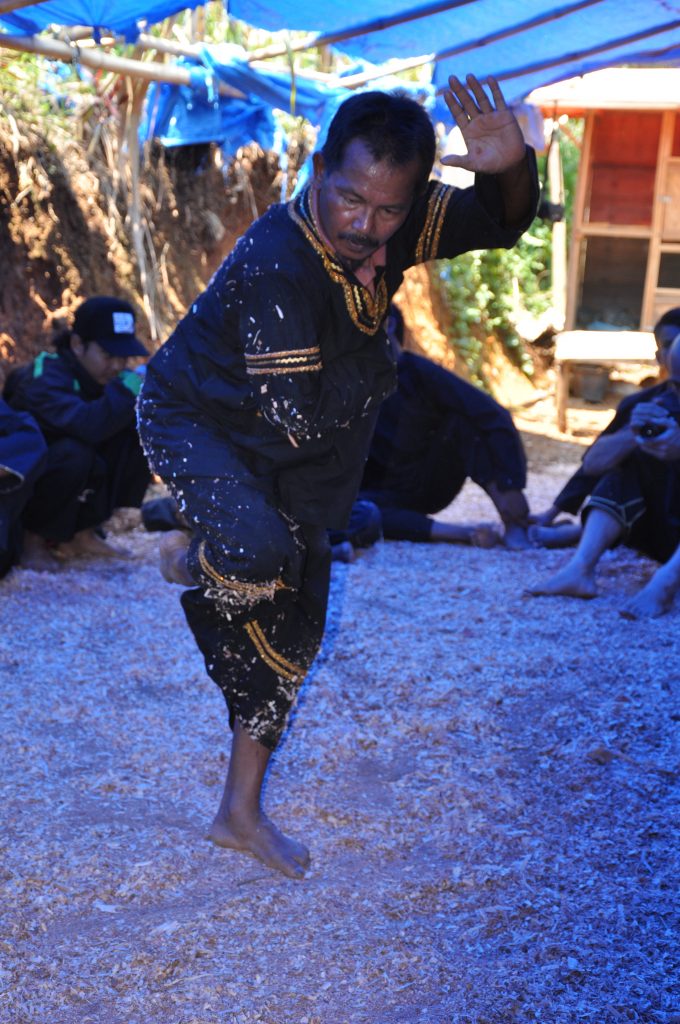
When I travelled to Sumatra in 2013 I had not realised that I would be taking part in a public Silek festival and moreover one that was intended to open itself to international gaze. Guru Edwardo Guci and Pak Jofrizal had decided and argued the case for opening themselves to the gaze of the outside world. This festival was not held in Solok or Bukittingi but in the much more secluded interior of Western Sumatra and many teachers were cautious or completely against demonstrating their art in public. Many of the people who came to watch told me they practised silek but would not display their art, that it was personal, private and not to be openly shared. Others felt that it might help to keep the culture alive in a world dominated by vast international trends that in a few generations might wipe out traditional practice. Still others wanted their art to be understood better by outsiders, by people who studied and taught silek but who had not experienced the culture and context of the art and others who were only concerned about self defence/fighting and not about culture or self development.
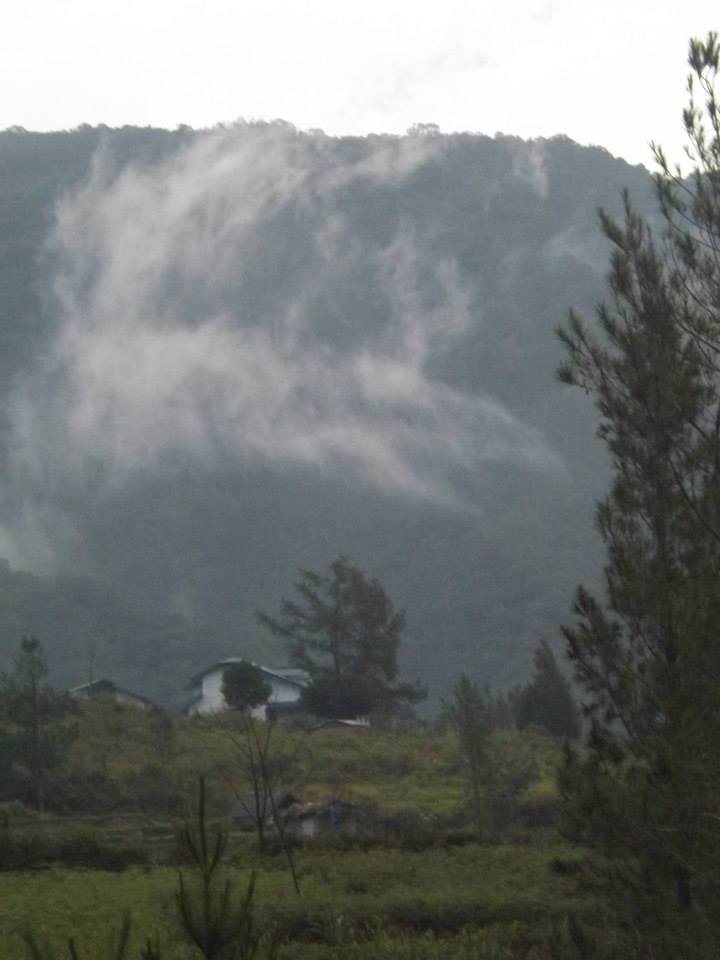
There may have been many reasons for their decision but I was immensely grateful to be invited to learn silek in Sumatra and for that I will always be grateful to Johnny Silmon who has set such an important example of openheartedness to the silat world in the West.

Why keep your knowledge hidden ?
There is an affirmation in the lompat harimau salutation about knowledge being power.
One reason to keep your knowledge hidden is because it is power! An important decision needs to be made when you openly share power. In conflict one approach is to keep your power hidden, another is to flaunt it and hope to create fear. We see this in nature and in politics and in personal relationships. A Sufi saying is that “ the secret hides itself” and many would argue that seeing an art and acquiring it are quite different things. We live in an age of exposure – the late 20thC was characterised by an explosion of the written word – the number of published books and the kind of knowledge which was once only available to the select few, grew at an astonishing rate. The first part of the 21stC has been characterised by the explosion of the image and the world and self are made manifest in film and picture. We are finding that although everything is now in front of us and available, the secret remains hidden. We become anonymous and unrecognisable to ourselves by repeated exposure. Fame is a dangerous desire if we wish to truly find ourselves.
Wherever there is power, fear is not far away and a traditional and psychological axiom we do well to reflect on is that when we are short on love we seek power.
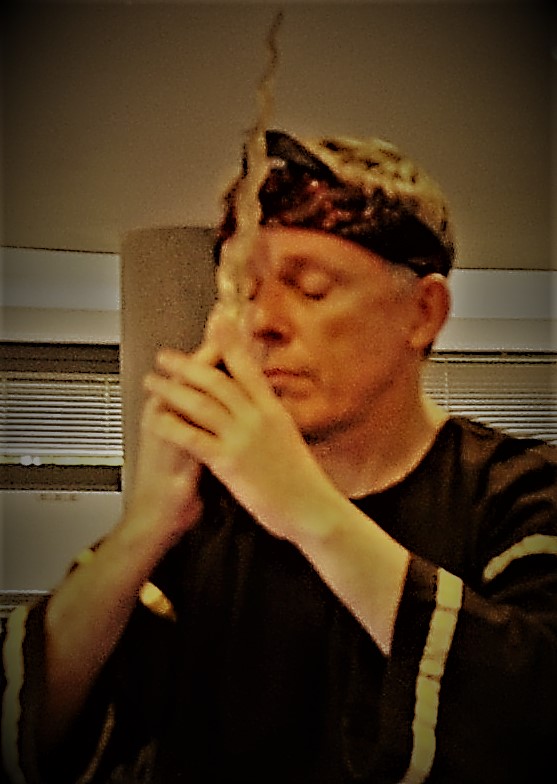
Other reasons to discriminate about how and when to share your art might include ensuring that you only share it with people who have the same ethical values as you. Another very good reason to keep your art and practice hidden might be because things grow in the dark. If you expose yourself to the wrong kind of criticism or attack before you know how to deal with it you might be badly hurt or your confidence destroyed. Exposing something delicate and precious, something deeply personal is risky. This is very obvious to most performing artists of any kind. Exposure to public gaze of your inner self and the art that is dear to you has been likened to having the skin stripped from your flesh. The singers voice, the musicians technique, the dancers movement, the fighters courage, the poets words, the sculptors form, the artists brush stroke – technique-heart-spirit, all are exposed and made manifest.
To take care and protect the adat of our art, we first have to know what that is. In the West we live in an age which values individual choice in regard to ethics and beliefs, although this is not straightforward as people are conditioned and deeply programmed rather than woken up and helped to think and see for themselves. The illusion that one is free and making choices is a deadly one . Ones beliefs are first and foremost conditioned by ones upbringing and culture and reactions to those influences. Historically arts were hidden to give an edge to their practitioners or because they had been outlawed by an external authority. Likewise we hide much of ourselves from public scrutiny and even our friends and colleagues. Many selves, many masks are presented to the world. More disturbing is the fact that our psyche is divided and does not know itself, one part hidden from another. Self knowledge is painful. We are our own fake news.
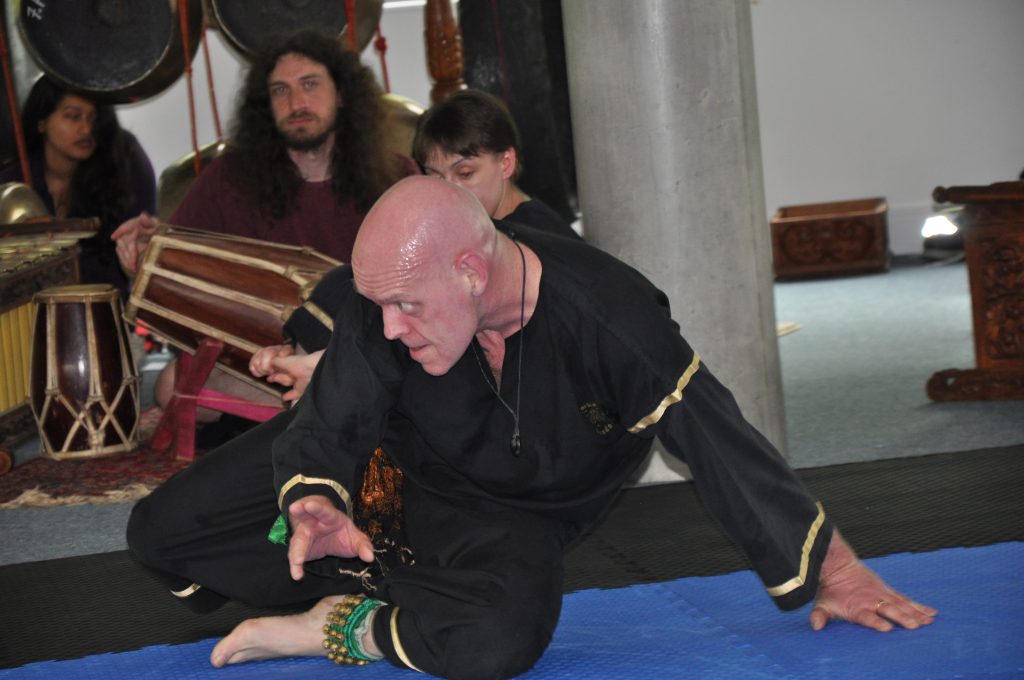
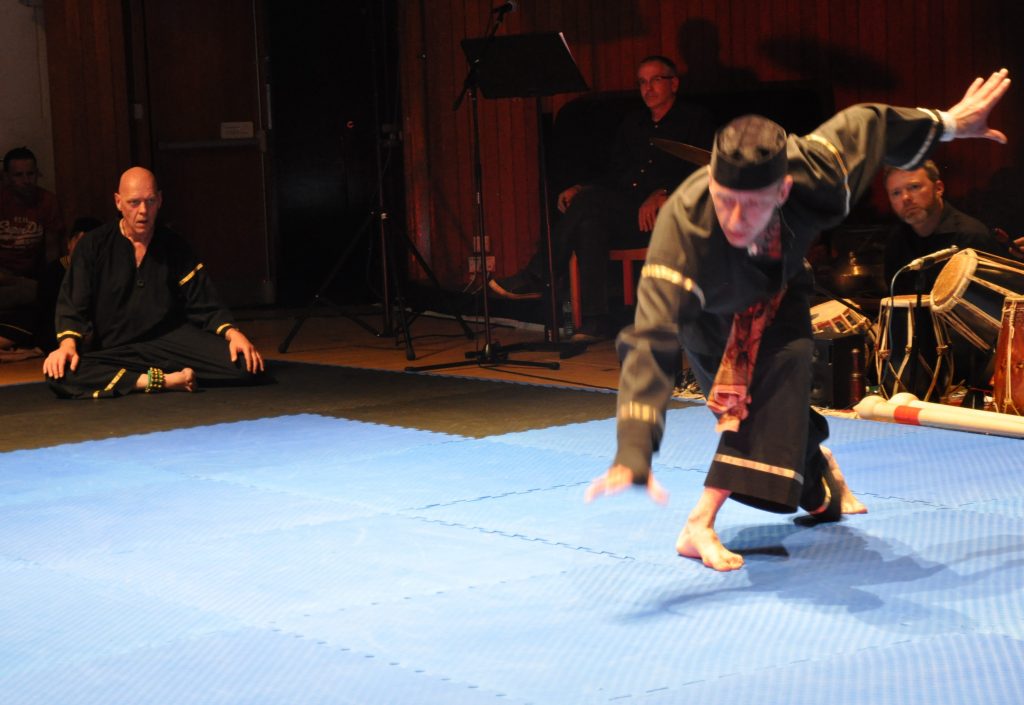
Why say all this and I am just touching the surface with some of these questions ? Well I think when asked if you wanted to demonstrate your art in public, particularly in a dramatic context when you are a martial artist not an actor, many of the thoughts and feelings that went through you might have been influenced by some of the things I am writing about. I asked myself – who and what does this serve ? How will it affect me personally and the Academy generally. What will the wider silat world make of it ? What are my personal needs and feelings and how will it affect others in the YSA. What does the spirit of silat require of us? I think of the spirit of silat as some quite tangible force made up of all the efforts and energies directed into the practice of this art by all of us, living and dead for many generations. Will we grow from this as human beings as well as martial artists. I was both interested and nervous that the YSA would reject the idea of this gig and indeed some of our practitioners chose not to be involved.
The themes in the Mahabharata are pertinent to all of us and in particular to questions around violence. Ginevras commentary in the programme is well worth repeated reading. The martial arts have offered a frightening and direct path in terms of human development and growth. The primal forces that are aroused when we learn about defending ourselves or attacking others, whether verbally, emotionally or physically may be transformed and used to fuel our growth if wisely and compassionately entered into. The spiritual danger for the martial artist is that he or she acquires power without humility or compassion. The difficulty of rich men entering the kingdom of heaven applies to all forms of power as much as to material wealth. The kingdom of heaven, not some nice place for good people in the afterlife but rather an enlightened state of heart and mind in the eternal present.
Ha you see – in my Arjuna persona I give my pompous arrogant self a little outing. Please forgive me and I shall now retreat behind my sari once again.

For me the most difficult thing was to express gratitude for all my teachers through my silek, and to even begin to do justice to the beauty of the culture that has given us this art to study. My first teachers were my parents – my mother who gave me a stubborn strength to persist in learning no matter how slow or clumsy I was and my father who gave me encouragement to study judo when I was a young child with the simple advice to remember that it was easier to learn to destroy than it was to learn to create. Since them I have been fortunate in having a flow of wonderful teachers spiritual and martial. Dunia alam – the natural world – is also there as our teacher, feeding us and being fed by us.
We did it anyway and I hope you enjoy the photographs, music and film that emerged. I hope that the cooperation and new friendships will flower with the musicians of York University. It seemed to me that everyone has grown because they were placed in front of a decision to make. It is the way of Will. Many thanks.